Washington health officials are warning of an outbreak of foodborne illness believed to be connected to the recent Northwest heat wave.
Health officials said 52 cases of vibriosis have already been reported in July, surpassing previous records for the month.
Michael Crowe of King 5 reports Vibrio bacteria are found naturally in the environment but thrive in warm conditions. Officials believe the record heat and low tides at the end of June led to high levels.
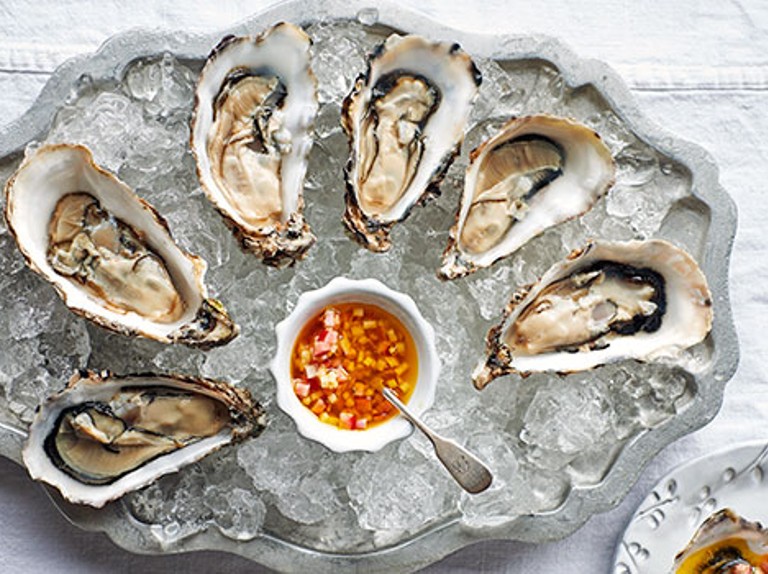
That same heat wave, which experts said was made more likely because of human-caused climate change, is believed to have killed as many as a billion sea creatures. People can get vibriosis by eating raw or undercooked shellfish. The Washington State Department of Health (DOH) said symptoms include diarrhea, abdominal cramps, nausea, vomiting, headache, fever and chills.
Most people will recover in a few days, though those with compromised immune systems or liver disease are at increased risk of serious illness.
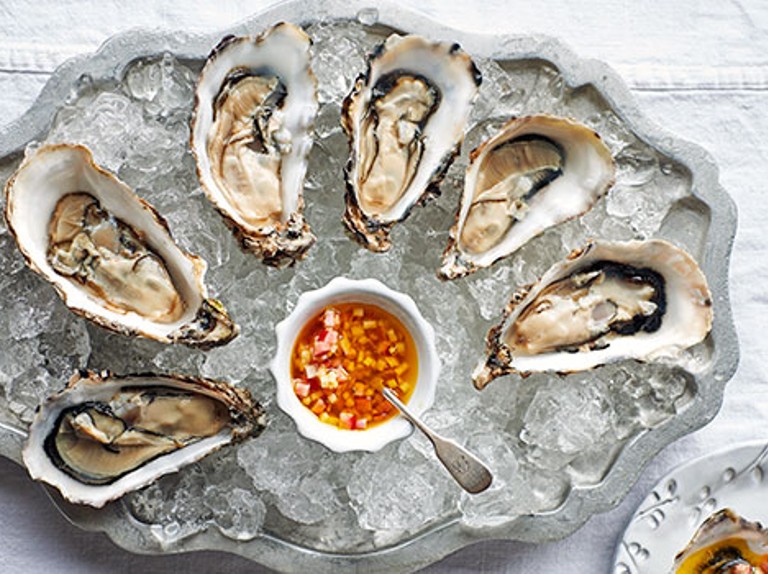
Of the 52 cases, 26 have been from commercial oysters, the DOH said. Four were recreational oysters, and the rest are either unknown or under investigation.
Because of the outbreak, officials are asking people to follow the “Three Cs:”
Cook shellfish to 145 degrees for at least 15 seconds Check the DOH’s shellfish safety map before gathering Cool shellfish immediately for the trip home, whether gathered or bought.
Health officials in New Brunswick are clamping down on restaurants serving beef tartare because the dish, considered by some a delicacy, violates the province’s food regulations.
Kevin Bissett of The Globe and Mail writes that over the past month, 11 restaurants have been given notice to stop serving raw or undercooked meat. The notice came as a surprise to chef Luc Doucet at the Black Rabbit restaurant in Moncton, N.B.
“I was blindsided,” he said in an interview Monday. “I got an email from health inspector that they needed a meeting and they showed up Thursday and served us a letter to cease all tartare operations and take it off the menu.”
The letter said current regulations don’t allow such foods to be served. “Our department was recently made aware that ground beef prepared as per the request of the customer and/or steak tartare is presently available at your food premises,” the letter stated. “This practice must cease immediately as it is in direct violation of the New Brunswick food regulation.”
Doucet said it appears officials were responding to a complaint, even though he’s never heard of anyone becoming sick from eating the dish (huh? – dp). He said he didn’t appreciate the way officials addressed the issue.
“It was not to ask us to provide our procedure for tartare or ground beef at the restaurant,” he said. “It was more, cease every dish that you have, and a lot of my restaurant friends have tartare on the menu.”
Of concern is that undercooked meat can contain pathogens that can make people sick. In a statement, the province said it’s working on establishing how such dishes can be served safely.
“These letters have not been issued as the result of people becoming ill from consuming these foods — instead, they are issued because of general food safety concerns, as eating raw or lightly cooked meats may increase the risk of food poisoning,” wrote Bruce Macfarlane, a spokesman for the Department of Health.
New Brunswick regulations include minimum cooking temperatures for meats such as beef, pork and poultry. The statement said for items like sushi and sous vide, policies are in place to support safe consumption.
Doucet said his beef tartare is composed of a quality cut of meat that is sliced in small cubes rather that ground up, and he said he has sampled tartare in restaurants across the country.
“Every time I go to Quebec, I have tartare in some form,” he said.
ITV reports a Whitstable Oyster Company farm has been closed down as officials investigate multiple reports of people falling ill after eating the shellfish.
It’s believed more than 100 people have fallen ill with vomiting and diarrhea symptoms since eating the oysters.
Officials stress that the batches of oysters affected have been identified and testing is ongoing.
The Food Standards Agency, Public Health England and Canterbury City Council have issued a joint statement stressing that there is no further risk to consumers.
They said:
“The oyster harvesting business linked to the outbreak ceased harvesting, no further oysters have been distributed since illnesses have occurred, and oysters distributed before they were aware of the illnesses have been withdrawn from the market.
“All oysters that were distributed are now passed their shelf life, there is no known further risk to consumers.”
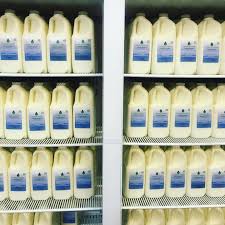
Louise Gould of the New Zealand Herald reports that Central Hawke’s Bay organic milk producer Lindsay Farm is recalling its raw unpasteurised drinking milk due to campylobacter being detected.
The Ministry for Primary Industries said campylobacter was detected as part of Lindsay Farm’s routine testing program.
The recall affects the farm’s brand Organic Raw Drinking Milk with a use-by date between March 6 and up to and including March 21, 2021.
It’s not the first time the family-owned and operated farm in Waipukurau has had to recall its products.
Last year a 6-year-old girl was hospitalised with campylobacter illness after drinking their raw milk, which prompted MPI to order a recall.
The young girl’s family publicly backed the milk in the aftermath and remain regular consumers of the product.
New Zealand Food Safety’s national food compliance services manager Melinda Sando said people with Lindsay Farm organic raw drinking milk at home should visit the MPI recalls website to check if it is among the batches of recalled product.
She advised that anyone who has any of the recalled products should dispose of them or return them to the supplier, or heat the milk at 70°C and hold at this temperature for one minute.
According to MPI campylobacter bacteria can be potentially fatal, especially for those with weak immune systems.
The FDA said it had seized a shipment of 270 kg of raw oysters contaminated with hepatitis A.
Two other shipments of raw oysters totaling 255 kg, meanwhile, were found to be tainted by norovirus, the agency said, adding that all the products had been confiscated and destroyed.
By Nov. 2020, Florida state health officials reported 33 cases of Vibrio vulnificus in 20 counties, including six deaths had been reported
In Dec. 2020, it was reported that sushi bars at two Harris Teeter stores in Concord, North Carolina, sickened 159 people.
Health officials said that many of the sick people developed symptoms like vomiting, diarrhea, fever, muscle aches, and abdominal cramps, but they did not confirm the type of infection.
I’ve bragged before about daughter Sorenne’s knowledge of pet food and treat microbiological risks. The same applies to my four Canadian daughters.
Even my French professor partner, Amy, has become knowledgeable in things microbiological.
I’m just really proud and full of love for all six of them (and they all play hockey, or did).
The last few months have seen numerous outbreaks or recalls related to pet food or treats.
The Public Health Agency of Canada (PHAC) collaborated with provincial public health partners and Health Canada to investigate an outbreak of E. coli O157 infections that occurred in three provinces. The outbreak appears to be over, and the investigation has been closed.
Based on the investigation findings, exposure to Carnivora brand frozen raw pet food was identified as the likely source of the outbreak. All of the individuals who were sick reported exposure to Carnivora brand frozen raw pet food, or to dogs fed this raw pet food, before their illnesses occurred.
In total, there were five confirmed cases of E. coli O157 illness linked to this outbreak in three provinces: British Columbia (2), Alberta (2) and Manitoba (1). The individuals were sick between early March and late May 2020. Two individuals were hospitalized. No deaths were reported.
Always wash hands thoroughly with soap and water after feeding, handling or cleaning up after pets. Animals fed raw meat diets are more likely to be shedding harmful bacteria like Salmonella and dangerous strains of E. coli even when they appear healthy, compared to those fed commercial kibble or other cooked diets. Regularly clean surfaces that come into contact with pet food or pets.
When possible, store all pet food and treats away from where human food is stored or prepared and away from reach of young children.
In Nov., New Jersey-based Albright’s Raw Dog Food issued a voluntary recall for 67 cases of “Chicken Recipe for Dogs” because of Salmonella contamination.
The food was sold in 2-pound frozen chubs/rolls with the lot number C000185 and best-by date 19 May 2021.
They were sold between June 8 and Aug. 27 in 10 states, including New York and New Jersey.
One animal illness has been reported. Pets with salmonella infections may be lethargic, have diarrhea, fever, vomiting or abdominal pain.
In Sept., Real Pet Food Company of Phoenix, AZ voluntarily recalled one lot of Billy + Margot Wild Kangaroo and Superfoods Recipe dog food in 4 lb bags because of a possible Salmonella health risk.
A study led by Purdue University’s Yaohua “Betty” Feng, an assistant professor of food science, showed that many Americans don’t wash their hands after feeding or playing with their cats and dogs and aren’t aware of the risk of contracting a foodborne illness from those activities.
“Almost all dog and cat owners interact with their pets closely like cuddling, sleeping with them, kissing them, but after those interactions fewer than one-third of them wash their hands with soap,” said Feng, whose findings were published in the Journal of Food Protection. “They don’t really consider that they could get sick or that a foodborne pathogen could be transferred from their pet to themselves.”
The U.S. Centers for Disease Control and Prevention estimates that pathogens such as E. coli and salmonella sicken nearly 48 million people, hospitalize 128,000 and kill around 3,000 annually. There is no data on how many of those come from pet foods, but there have been more than a dozen pet food recalls in 2020 due to the presence of a foodborne pathogen. Last year more than 150 people were sickened by salmonella in pig ear dog treats.
“Some dogs and cats do not have symptoms, even if they were contaminated with foodborne pathogens like salmonella. There’s potential for them to share those pathogens with their owners when interacting with them,” Feng said.
According to the survey of more than 1,000 cat and dog owners in the United States:
93 percent of pet owners cuddle their pets, 70 percent allow the pet to lick them, 63 percent sleep with their pets, and 61 percent kiss their pets.
Only 31 percent wash their hands after playing with their pets, and 42 percent do not wash their hands after feeding their pets.
8 percent reported eating pet food and treats themselves.
The study showed that 78 percent of people were not aware of recent pet food recalls or outbreaks associated with foodborne pathogens in those foods. One-quarter of people do not consider dry pet foods and treats as potential sources of these pathogens.
Raw meat or raw animal product diets are growing in prevalence for supposed health benefits. The study showed that about 25% of respondents feed their pets raw foods, but about half of those people did not report washing their hands after those feedings and allowed their pets to lick them.
Feng said the results suggest that pet owners need more education about the safety of pet foods and proper handling of food and pets to prevent contracting an illness. She plans to develop materials that will address those issues.
Some tips to keep pet owners from getting foodborne illness include:
Wash hands with soap and water after preparing food for pets, petting or playing with pets, and before preparing food for people.
Avoid feeding pets raw meat.
Handle and store pet food carefully to avoid cross-contamination.
Keep up with pet food recalls and keep records of pet food lot numbers and other information for potential tracking.
“We’re not saying you shouldn’t hug your dog, but you should know the risks and how to protect yourself against the possibility of contracting an illness,” Feng said.
ABSTRACT
Risk of Foodborne Illness from Pet Food: Assessing Pet Owners’ Knowledge, Behavior, and Risk Perception
Pet food has been identified as a source of pathogenic bacteria, including Salmonella and Escherichia coli. A recent outbreak linked to Salmonella -contaminated pet treats infected over 150 people in the United States. The mechanism by which contaminated pet food leads to human illness has not been explicated. Pet owners’ food safety knowledge and their pet food handling practices have not been reported. This study evaluated pet owners’ food safety knowledge and pet-food handling practices through an online consumer survey. The survey consists of 62 questions and assesses (1) owners’ food safety knowledge and pet-food handling practices; (2) owners’ interaction with pets; (3) owners’ risk perception related to their own health, their children’s health, and their pets’ health. The survey was pilot-tested among 59 pet owners before distribution to a national consumer panel, managed by Qualtrics XM. All participants (n=1,040) were dog and/or cat owners in the United States. Almost all pet owners interacted with their pets (93%) and most cuddled, allowed their pets to lick them, and slept with their pets. Less than one-third of pet owners washed their hands with soap after interacting with their pets. Over half (58%) the owners reported washing their hands after feeding their pets. Most pet owners fed their pets dry pet food and dry pet treats. Some fed their pets raw meat or raw animal product (RAP) diets because they believed these diets to be beneficial to their pet’s overall health. Many owners (78%) were unaware of pet food recalls or outbreaks associated with foodborne pathogens. Less than 25% considered dry pet foods and treats as a potential source of foodborne pathogens. The findings of this study indicated the need for consumer education about pet food handling. The data collected can assist in developing more accurate risk assessment models and consumer education related to pet food handling.
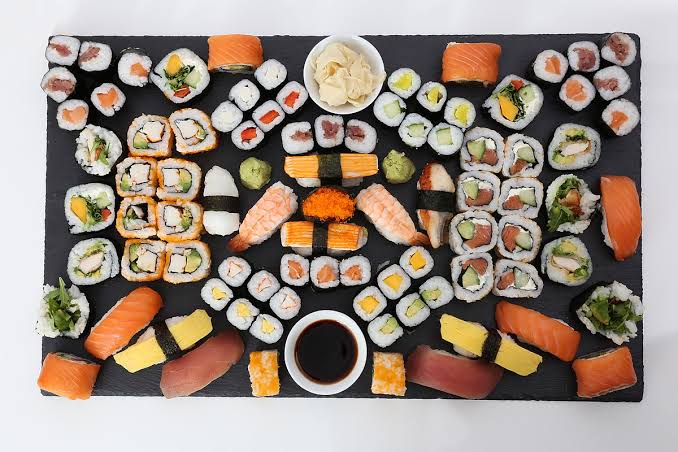
Eoghan Moloney of the Independent writes three unregistered online sushi restaurants were ordered to close by the Food Safety Authority of Ireland (FSAI) after it was found they were being run from a bedroom of a house in Dublin.
Koi Sushi, Nagoya Sushi and Kyoto Sushi takeaway restaurants were all registered to the same address of a house in the Santry area of Dublin and were ordered to close after the FSAI found them in breach of numerous laws around food and food safety.
Dr Pamela Byrne, Chief Executive, FSAI expressed particular concern at the conditions in which the high-risk sushi products were being stored in.
Dr Byrne said the conditions in which the Sushi restaurants were operating in “posed a grave and immediate danger” to consumer health.
“Running a food business that has not been registered and is therefore, not supervised is totally unacceptable and poses a very serious risk to consumers’ health.
“In these instances, the unregistered businesses were producing sushi without any hygiene or temperature controls. Sushi is a very high-risk product because it contains raw fish which must be kept chilled to reduce the growth of dangerous bacteria. It can also contain cooked rice, which is a ready-to-eat product that must be kept chilled.
“In these instances, the absence of a food safety management system, no monitoring of the cold chain and no evidence of traceability of raw ingredients posed a grave and immediate danger to consumer health,” Dr Byrne said.
The FSAI closure orders on the premises detail how food was being produced, processed and distributed in an unsatisfactory and unclean environment.
There was an absence of safe practice when handling raw fish and cooked rice, it says, with the enforcement order noting a lack of access to hand washing facilities in the ‘food prep’ area. There was also no access to hot water, which posed “a serious risk to public health.”
Brian Adam of Intallght writes just over a year ago, the United States saw the largest outbreak of E. coli since 2006; affecting at least 98 people in more than 20 states. The origin wa bagged romaine lettuce. Unfortunately, this is not an isolated case. Vegetables and fresh fruit have become a real headache for food safety experts.
Today in the United States, fresh vegetables are the largest source of food poisoning. In Europe, the figures are not so pristine, but the bacteria and viruses associated with this type of food also are to blame for the vast majority of poisonings. We are facing a real danger for food safety: salads.
The numbers speak for themselves
In 1990, more than 400 epidemic outbreaks associated with fresh fruits and salads were detected. Between 2001 and 2013 we are not even able to know in its entirety, some experts explain, how many related outbreaks appeared, but they are many, increasing since 2008. Arrived in 2013, in Europe these epidemics seem to reduce their growth, stagnating in number per year, as explained in this article by EFSA, the European authority on food safety.
Despite the fact that Europe the number of appearances seems to have stabilized, in the United States they have continued to increase. The danger is still lurking, hidden between “romaine lettuce and Brussels sprouts.” The reason is in “cool” words.
According to some independent experts, this increase could be related to the increased consumption of vegetables and fresh fruit in the diet. This is a consequence of the search for a better, healthier diet. But, not being processed, these foods can also bring unexpected and unpleasant surprises.
But what is the problem? What’s wrong with fresh vegetables? It is not that strict food safety controls do not pass, as it happens with everything that arrives at our supermarkets but fresh food, especially if we put it in a plastic bag, is cannon fodder for microorganisms.
In late 2014, three children in the Australian state of Victoria developed hemolytic uremic syndrome linked to Shiga-toxin toxin producing E. coli in unpasteurized bath milk produced by Mountain View Dairy Farm. One child died, and two others developed cryptosporidiosis.
The Victorian government quickly banned the sale of so-called bath milk, which although labeled as not fit for human consumption, was a widely recognized way for Australian consumers to access raw milk.
What followed was a despicable whisper campaign that the child who died had an underlying medical condition, it wasn’t Shiga-toxin producing E. coli (STEC), farmers were losing access to lucrative markets – anything but the basic and sometimes deadly biology of STECs and everything involving fantasy and fairytales.
Victorian Dairy farmer Vicki Jones was told in 2014 by the coroner that raw milk was the likely cause of death of a three-year-old boy in 2014.
The milk was ‘raw’, or unpasteurised, and Ms Jones’ Mountain View Dairy Farm had been selling it as bath milk — a cosmetic product labelled ‘not fit for drinking’.
Ms Jones said she told the officer she would immediately remove the milk from the shelves of local stores.
“And he said to me, ‘No, no, no, don’t do that. You’ve done nothing wrong and all your labelling is right’.”
In hindsight, Ms Jones said this response “was really bizarre” — as was the decision to wait months before telling her about the cases.
But then the health officer told her a three-year-old boy had died after drinking the bath milk.
“It was the most devastating news that you could possibly imagine ever getting,” she said.
“I was mortified, we were doing the raw milk because people wanted it.”
Or because you contributed to promoting BS.
A Gippsland MP, the father of the child who died, and evidence presented to the coroner have all questioned how the cases were managed and suggested other contributing factors were overlooked.
Mark Wahlqvist, an Emeritus professor of medicine at Monash University and former president of the international union of nutrition sciences, said, “Raw milk, unpasteurised milk, is not safe enough to be in the public domain.”
Professor Wahlqvist said he was open to new research but at present, found campaigners for raw milk to be more than unconvincing.
“When people for conspiratorial reasons rather than scientific reasons, think that vaccination is a problem or that pasteurisation is a problem,” he said.
“We have a science communication problem in this country and it needs science leaders.”
There’s a subset of pet guardians who feverishly believe raw food is the only food for dogs and cats and other pets because that’s all that was available in the wild.
As Hobbes noted in 1651, nature is “solitary, poor, nasty, brutish, and short.”
Dogs too.
The Canadian Food Inspection Agency announced last week that Carnivora Fresh Frozen Patties for Dogs and Cats may be contaminated with Escherichia coli O157 (E. coli) and there is risk of cross contamination and illness after handling.
Consumers should immediately stop using any of the affected pet food products and contact the retailer where they purchased the affected product for a full refund or exchange.
As of June 12, 2020, the company has been made aware of 4 reports of illnesses in Canada – in people.
Consumers are advised to always wash hands, surfaces and utensils thoroughly with soap and water after feeding, handling or cleaning up after pets. Clean surfaces that come into contact with pet food or ill pets.
One of daughter Sorenne’s daily tasks is to give stress-reducing wet food to our neurotic cat, and she absolutely knows to wash her hands after handling the food.
Scott Weese over at the Worms and Germs blog writes that while people were presumably not eating the pet food (I wouldn’t presume that), there is the potential for cross-contamination of human food when handling raw pet food, as well as potential for exposure to pathogens through things like contact with pet food bowls and pet feces.
While most dogs and cats that eat raw diets are fine, and most owners don’t get sick, it’s clear that feeding raw diet or raw animal-based treats (e.g. pig ears) is associated with risks to the pet and any human contacts. I’d rather people not feed raw diets to their pets, particularly when the pet or household members are very young, elderly, pregnant or have compromised immune systems. If none of those risk factors are present and someone wants to feed a raw diet, I’d still rather they didn’t, but there are some things that can reduce the risks, as outlined on the Worms & Germs infosheet on raw diets available on our Resources – Pets page.
Oh, and don’t go to the company’s website for accurate information about risk and risk mitigation. They bury some good prevention recommendations in a pile of often out-of-context dialogue to try to deflect any concerns and the typical raw diet misinformation. Some other raw pet food companies are up front about the risks and prevention measures – I have a lot more confidence in companies like that.

 Health officials said 52 cases of vibriosis have already been reported in July, surpassing previous records for the month.